
Cormac's Chapel within the Rock of Cashel
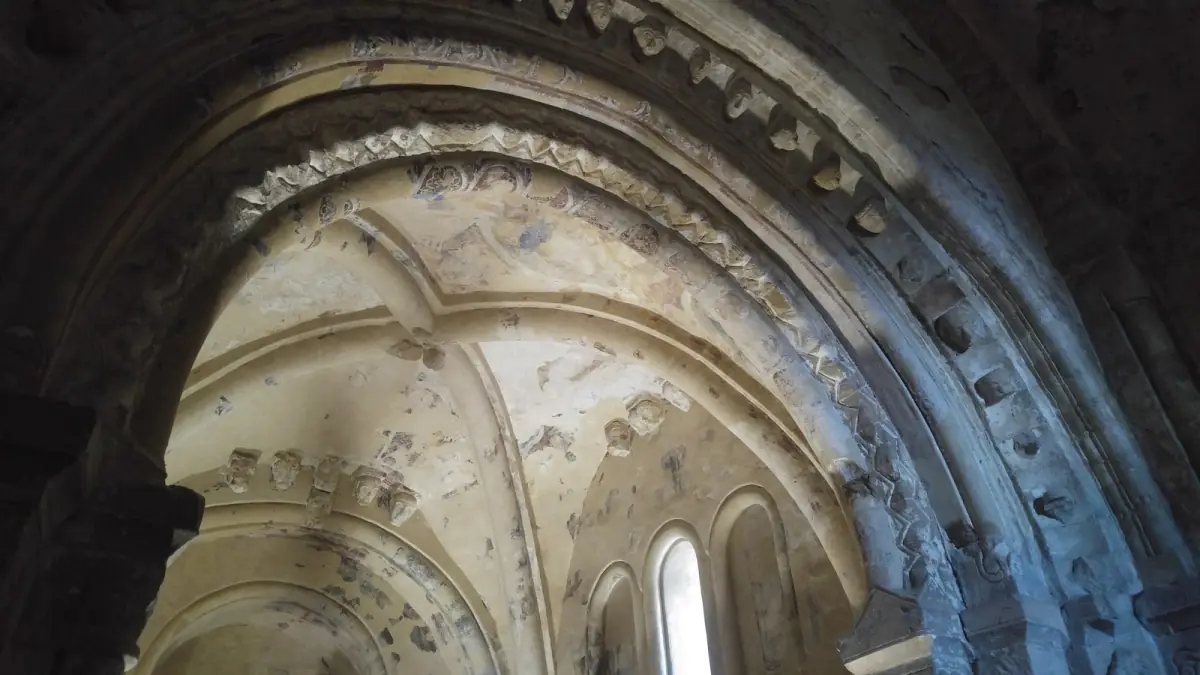
Cormac's Chapel is a Romanesque church within the Rock of Cashel, with a different access arrangement from the general monument visit. Construction began in 1127 under Cormac Mac Cárthaigh, King of Desmond, and the chapel was consecrated in 1134. Its interior can be visited only on a guided conservation visit, with a special ticket obtained at the site. The general online Rock ticket excludes that interior tour.
This distinction matters when choosing how to travel to Cashel. A journey that includes entry to the Rock can bring you to the wider monument, while the chapel interior remains a separate decision at the site. Begin with the general ticket information and use this page to understand why the chapel has its own arrangements.
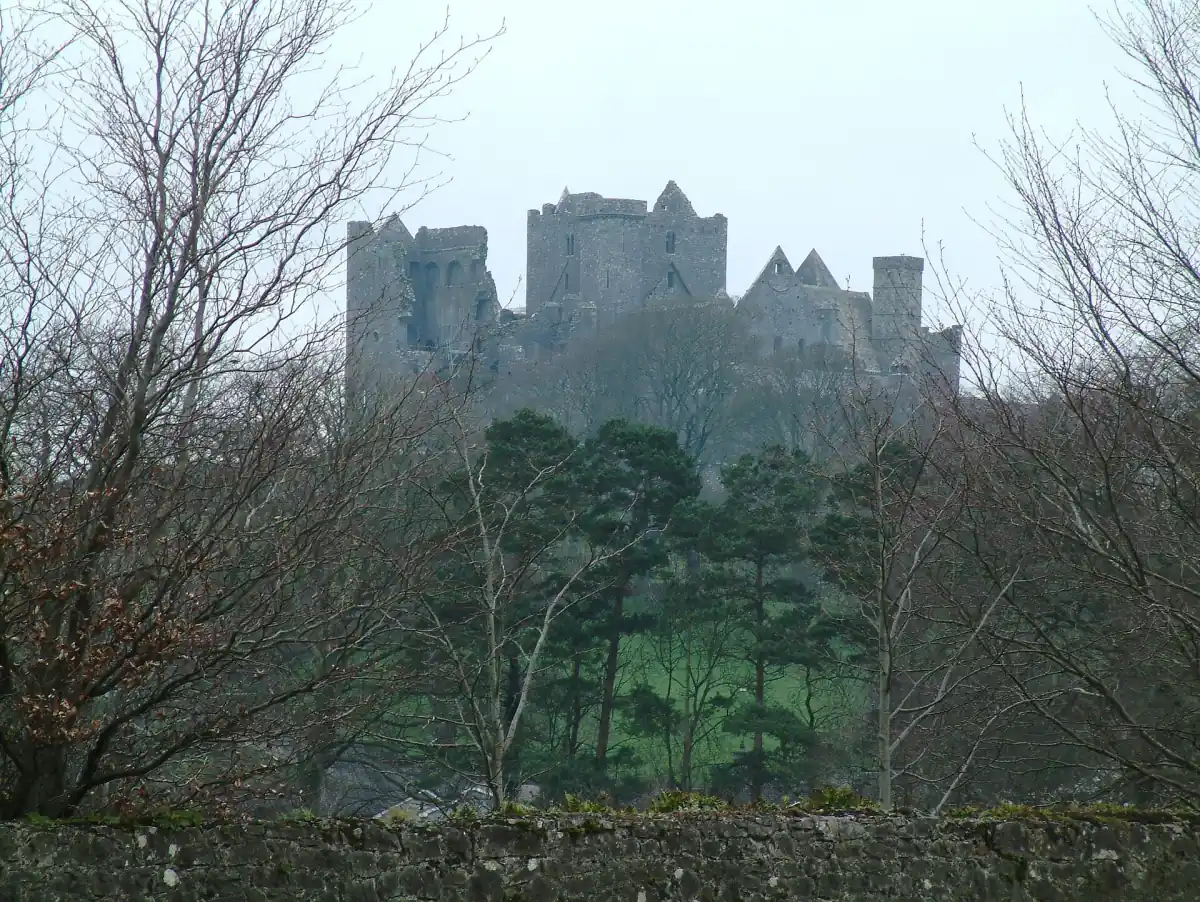
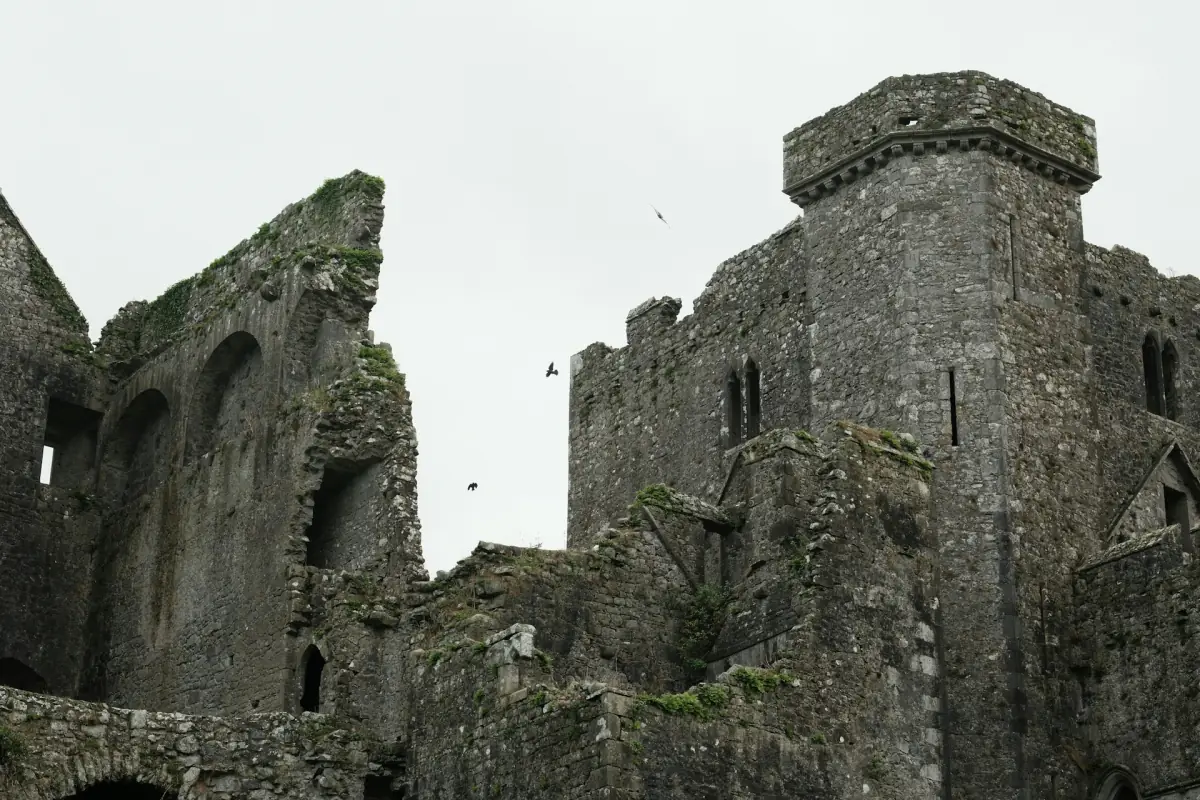
The chapel also helps explain the character of the Rock. Although the hill is associated with the kings of Munster, its surviving skyline is principally a collection of ecclesiastical buildings. The chapel, round tower and later cathedral belong to different building phases, rather than forming an intact royal castle.
A journey to the Rock
This journey includes general Rock admission; arrange the separate chapel interior ticket at the site.
Hand-picked tours, booked through Viator. Prices are indicative starting prices in euros (as of October 2026). Tap a tour for live availability and the current price in your currency.
A wider journey with Rock admission
The touring itinerary includes general entry to the Rock of Cashel, a guide and transport. Chapel interior access is separate and is not part of this journey's admission inclusion.
Romanesque architecture: nave, chancel and towers
The building is organised around a nave and chancel, with towers at the sides. Romanesque portals, blind arcading and vaults give you specific features to look for, instead of treating the chapel simply as another stone ruin. Consider the relation between the main body of the church and its chancel, then notice how the openings and architectural decoration frame those spaces.
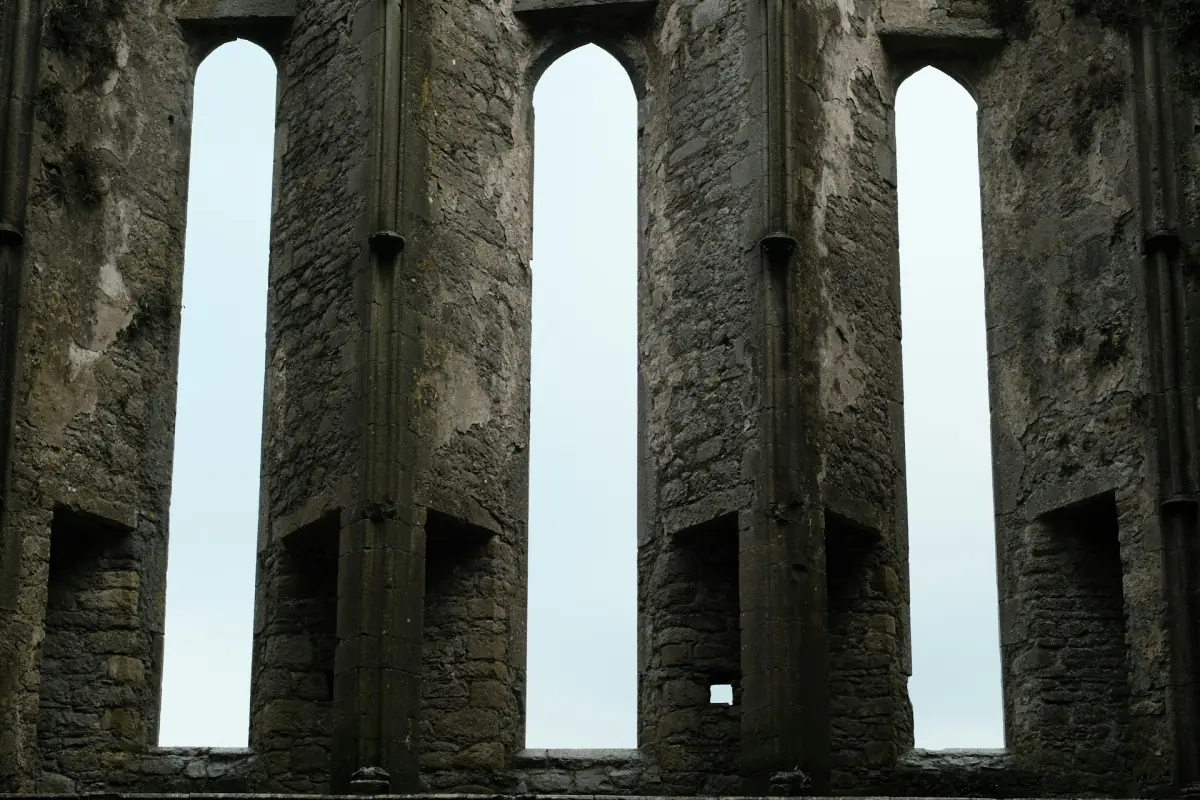
Compare that compact arrangement with the larger cruciform cathedral. The cathedral belongs to a later medieval phase and is Gothic in character. Looking at both buildings makes the sequence of development easier to understand: the chapel is not a smaller version of the cathedral, but a separate church with its own architectural language. The history of the Rock places those changes alongside the transfer of the hill to the Church in 1101.
Wall paintings and their conservation
Fragments of wall paintings survive in the chancel from the middle of the twelfth century. They depict scenes from the early life of Christ. Their fragmentary condition is important to understanding what survives: approach them as remaining parts of a medieval painted interior rather than expecting a complete decorative scheme.
Cleaning and consolidation took place from 1986 to 1997. The conservation work addresses a combination of problems, including penetrating rainwater, changes in moisture, salts and microbiological growth. These affect both the stone and the painted layers, so protecting the chapel involves more than repairing visible surfaces.
Building repairs, controlled ventilation and continuing monitoring form part of the conservation response. The relationship between the structure and its internal environment explains the emphasis on a managed interior visit. It also gives useful context for the surviving paintings: their care depends on the building around them as well as on work to the paint itself.
Interior visits and the general Rock tour
The general Rock visit can be self-guided or include the general tour, which lasts about 45 minutes, with times provided on arrival. That is a different activity from the chapel's guided conservation visit. Obtain the chapel's special ticket at the monument and build your day around the arrangements available there. Read the opening-hours guide for the wider site's seasonal entry window.
The travel option shown here includes general Rock admission, professional guiding and transport as part of a broader itinerary. Use it to reach and visit the monument; its admission inclusion does not provide the chapel interior tour. If the paintings are central to your plans, keep that distinction in mind when choosing between an organised journey and an independent visit.
The Rock is an exposed site where short-notice weather closures can occur. Suitable shoes, handrails and attention to uneven paths and low passages remain relevant when moving between the buildings. Climbing is prohibited. Plan the approach to Cashel separately from your time inside the monument so travel and entry decisions fit together.
Questions about Cormac's Chapel
Is the chapel interior in the online Rock ticket?
The general online ticket excludes the chapel interior tour. Interior visits are guided conservation visits with a special ticket obtained at the site.
What makes the chapel different from the cathedral?
The chapel is Romanesque, begun in 1127 and consecrated in 1134. The larger cathedral belongs to a later Gothic building phase.
What do the paintings show?
The surviving chancel paintings contain scenes from the early life of Christ. They date from the middle of the twelfth century and survive in fragments.