
Hore Abbey and the Rock: two different visits
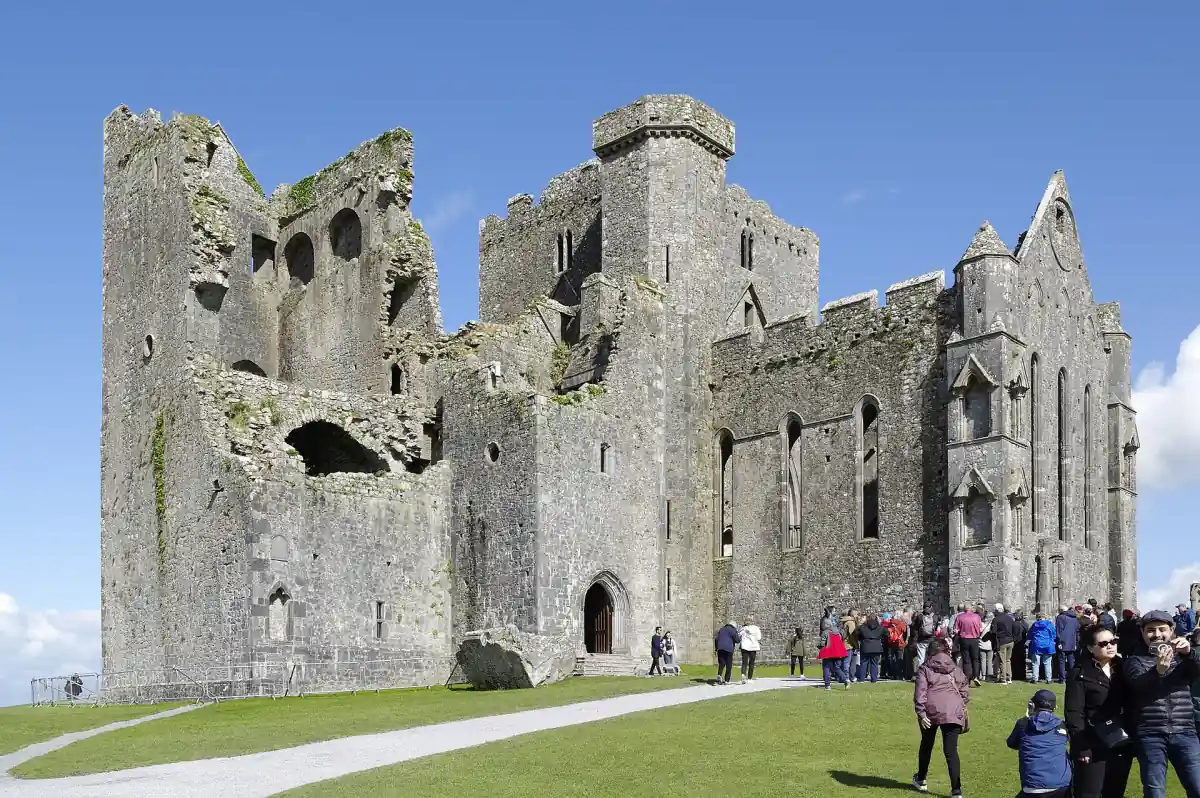
Hore Abbey is the ruin of a Gothic Cistercian abbey at the northern edge of Cashel, in the care of OPW as a National Monument. It is an unattended site, unlike the managed visit to the Rock of Cashel. Plan to look at a former monastic complex with uneven ruins and the possibility of grazing livestock in the surrounding field. That setting is part of the practical decision to visit, not just a backdrop.
The abbey and the cathedral on the Rock belong to different religious settings. On the hill, the cathedral forms part of the former ecclesiastical seat; at Hore Abbey, the church and surrounding remains relate to a monastic community. Seeing both can add depth to a Cashel visit without treating them as a single attraction with shared admission arrangements.
Begin with the Rock of Cashel overview if this is your first visit, then decide how the abbey fits your day. Its unattended character calls for an assessment of the ground and current access on arrival, rather than a plan based on the Rock's managed visitor facilities.
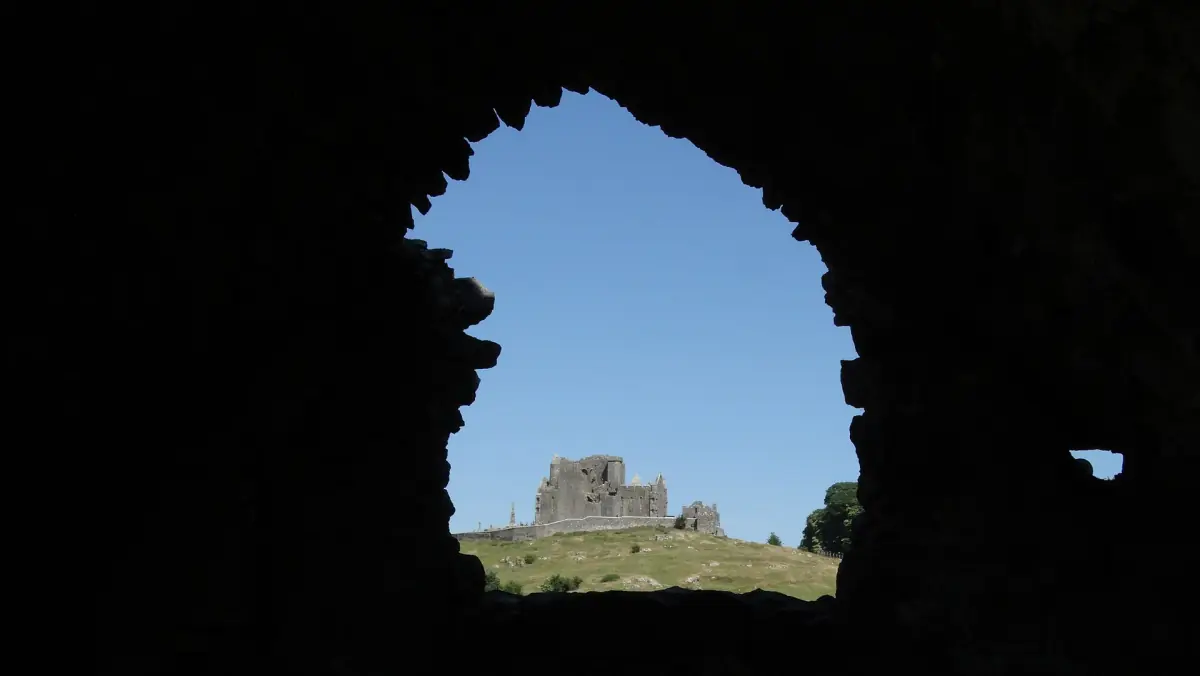
A journey via Hore Abbey
This five-day journey visits Hore Abbey and Cashel on day one; Rock admission is extra.
Hand-picked tours, booked through GetYourGuide. Prices are indicative starting prices in euros (as of October 2026). Tap a tour for live availability and the current price in your currency.
A five-day route visiting Hore Abbey
The minicoach journey from Dublin visits the Rock and Hore Abbey on day one, with a driver-guide and four B&B or guesthouse nights with breakfast. Admission fees are extra.
From Benedictine beginnings to a Cistercian abbey
The abbey's history includes a Benedictine predecessor and a change to the Cistercians under Archbishop David McCarville. This sequence matters more than assigning the ruin a single label without context. The complex represents changing religious communities, followed by changes in use after the monastery was dissolved.
After the dissolution in 1540, the chancel served as a parish church. A visit can therefore be understood through successive uses of the same place: the earlier community, the Cistercian monastery and the later parish role. The surviving church is a useful starting point for that story, while the surrounding spaces broaden the picture beyond worship alone.
For comparison, read the Rock's history, where the hill's royal associations lead into its role as an archiepiscopal seat. These are connected parts of Cashel's religious past, but the buildings should be read in their own contexts. Avoid looking for a royal fortress at the abbey or assuming that every ruin nearby belonged to the cathedral.
Church, tower and northern cloister
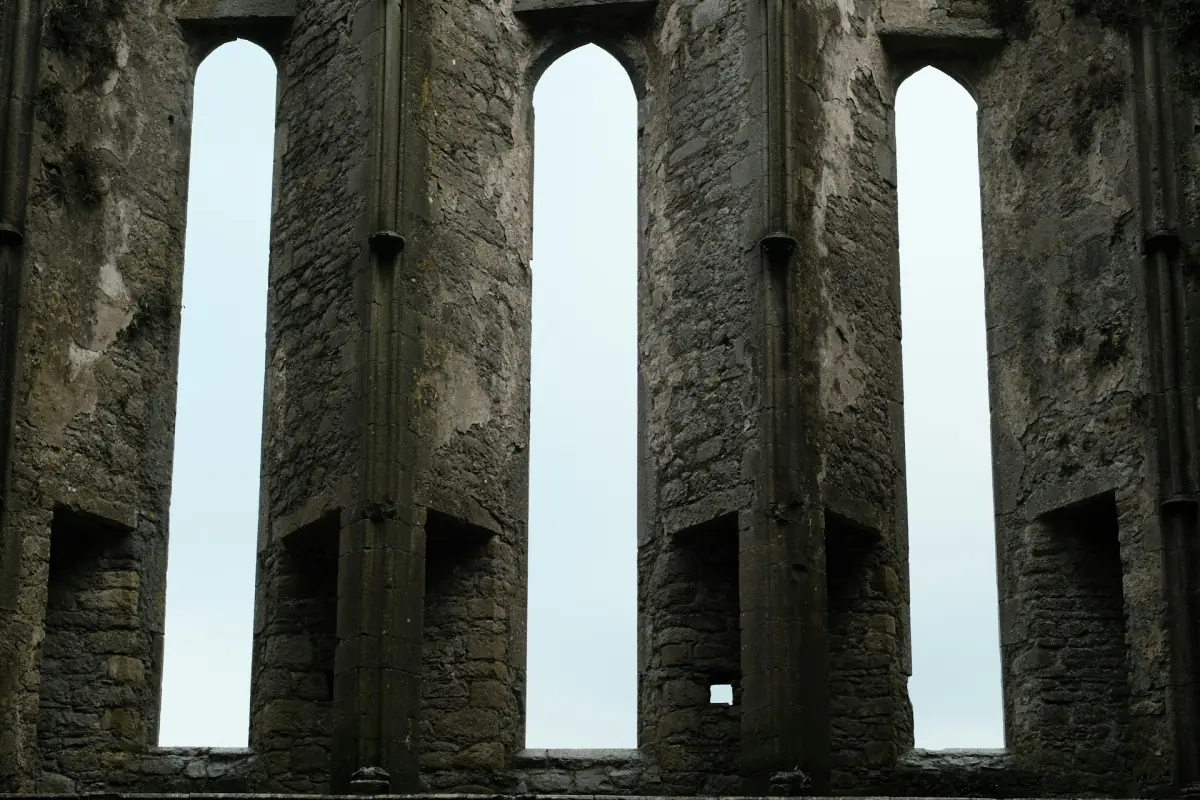
The surviving complex includes a cruciform church and tower, with a cloister on the north side. Parts of the nave, aisles and transepts survive, along with the sacristy and chapter house. Use those named spaces to orient yourself: first consider the church's cross-shaped plan, then the relationship between the church and the cloister area.
The sacristy and chapter house help show that the abbey was more than the church alone. Rather than approaching every wall as an isolated feature, look for how the remaining parts relate to the wider monastic plan. This is a way to understand the ruins from their surviving layout without needing to reconstruct missing rooms or assume access to every part.
Visiting an unattended ruin
Assess your footing around the uneven remains and keep children close enough to supervise. Grazing livestock may be present in the surrounding field. Give animals space and avoid approaching them for photographs. Follow the access information at the site and respect the surrounding land rather than choosing an arbitrary route across fields.
Consider the conditions separately from your plans for the Rock. A ticket or guided visit on the hill does not describe the arrangements at the abbey. If you need assistance with access, seek local advice about the actual approach before making this part of your day. The transport guide covers arriving in Cashel, while the accommodation guide helps relate your base to the town.
A touring option with an explicit abbey stop
The five-day journey from Dublin includes both the Rock and Hore Abbey on its first day. Transport is in a 16-seat minicoach with a driver-guide, and four nights of en-suite B&B or guesthouse accommodation with breakfast are included. Admission fees and other meals and refreshments are extra. This suits a broader touring itinerary that makes Cashel one part of the journey.
For an independent day, keep the abbey and Rock as distinct visits, each with its own conditions. You can use the Rock's seasonal times to plan the managed monument, while making a separate decision about the unattended abbey and its terrain.
Questions about Hore Abbey
Is Hore Abbey the cathedral on the Rock?
It is a separate former monastery. The cathedral is part of the complex on the hill; Hore Abbey has its own church, tower and cloister remains.
What happened after the monastery was dissolved?
The abbey was dissolved in 1540. Its chancel was subsequently used as a parish church, adding another phase to the site's history.
Which organised route visits the abbey?
The five-day minicoach route from Dublin stops at the Rock and Hore Abbey on day one. It includes four nights with breakfast; admission fees are extra.